
Understanding the Role of Emotion in Drinking Behavior and Alcohol Responses
Theories of addiction have long emphasized the role of negative affect in motivating substance use. However, recent meta-analytic findings suggest that day-to-day fluctuations in negative affect may not reliably predict use behavior in naturalistic settings, whereas positive affect may play a more prominent role. Our lab has several ongoing projects aimed at clarifying how both trait-level emotional tendencies and momentary affective experiences influence alcohol use and subjective responses to alcohol. Through this work, we seek to better understand the emotional processes underlying drinking behavior and their implications for addiction risk.
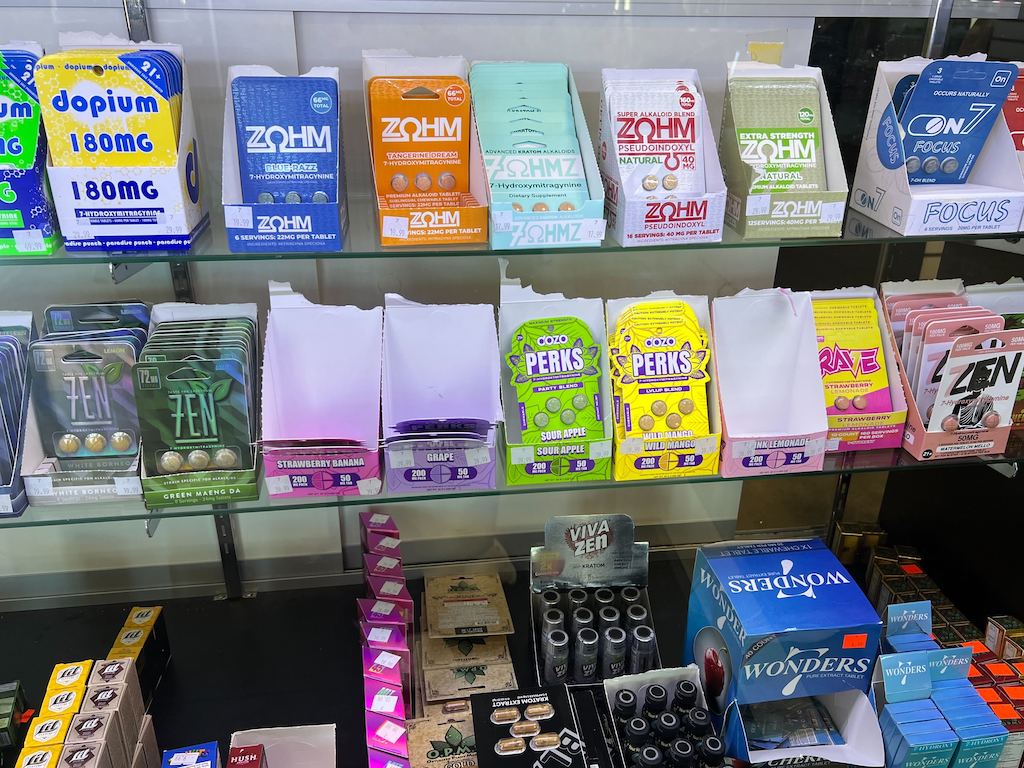
Understanding Perceptions of Emerging Psychoactive Substances
The growing availability of emerging psychoactive substances, including hemp-derived cannabinoids (e.g., delta-8 THC), kratom, and 7-hydroxymitragynine (7-OH), presents new challenges for substance use prevention. Despite increasing public attention, relatively little is known about how college students perceive the risks and benefits of these products or where they obtain information about them. Our lab is developing research to explore young adults’ knowledge, beliefs, and perceptions of emerging substances, with the goal of identifying misconceptions and informing the development of relevant, evidence-based prevention messaging.

